Potty Training Houston, TX
Get started with CJ's Dog Training's potty training program in Houston, TX, today! We are so sure that we can fix your dog problems that we actually offer guaranteed results and continued guidance for the lifetime of your dog. We will be by your side to help you with your dog every step of the way whether you have a new puppy or an older dog. Fill out the form below to claim your free consultation and get started today!
Why Most Houston Puppies Take Forever to Potty Train
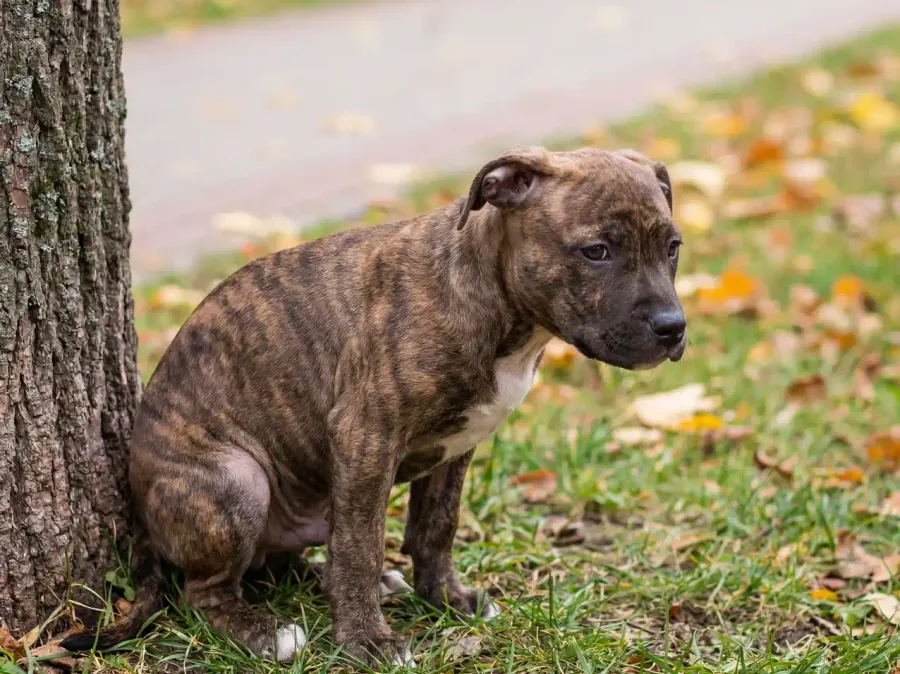
Most owners aren't doing potty training wrong on purpose, they're doing it without a system. They're letting the puppy roam unsupervised between bathroom breaks, missing the early signals, taking the puppy out at random times instead of on a schedule, and rewarding inside the house instead of outside. The result is a puppy who genuinely doesn't understand that 'outside' is the rule. Our Houston potty training program is built around the four pieces that actually work: a tight feeding and bathroom schedule, supervised or confined puppy at all times, immediate reward outside the moment elimination happens, and a designated potty cue word your puppy learns to associate with the act.
Our Step-by-Step Potty Training Process
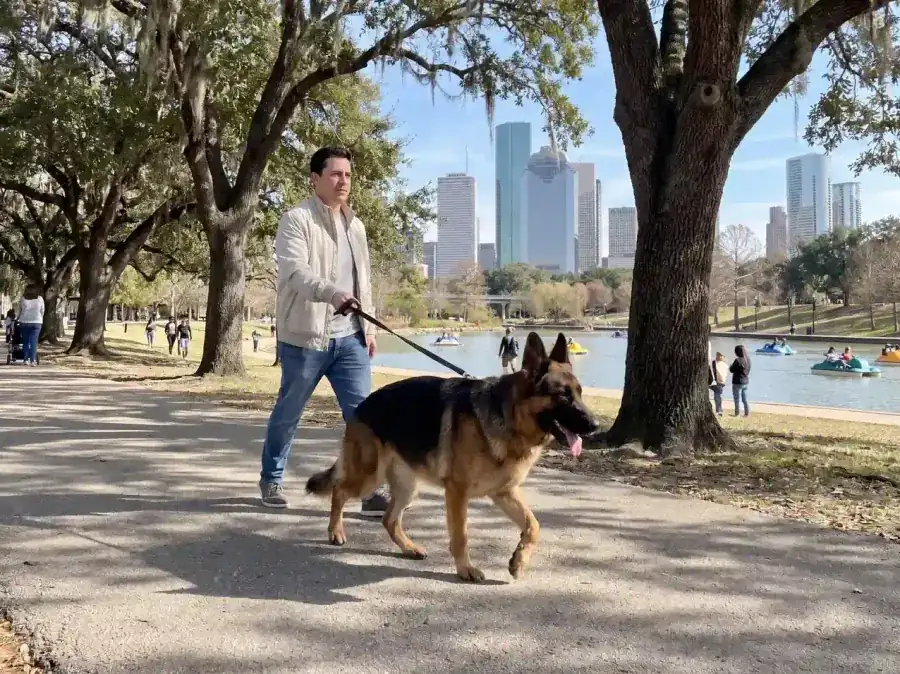
Step one is a feeding and water schedule that makes elimination predictable, same times every day, no free-feeding. Step two is a bathroom schedule built around the predictable times: first thing in the morning, after every meal, after every nap, after every play session, and last thing at night. Step three is supervised confinement (crate, exercise pen, or tethered to you) any time you can't watch the puppy directly, because unsupervised puppies will find a quiet corner and have an accident. Step four is celebration and reward outside the second elimination happens, high-value treat and clear verbal praise. Step five is the potty cue word, given right as the puppy starts to go, that builds an on-cue elimination skill.
What Potty Training Includes
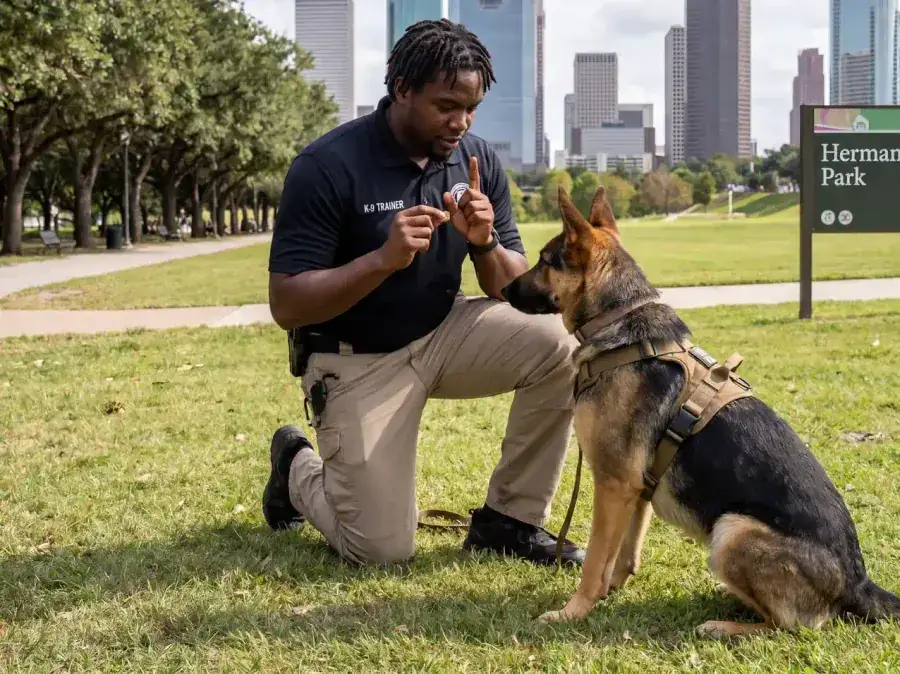
When CJ works potty training with you, here's what we cover:
- Custom feeding and bathroom schedule based on your work hours and household routine
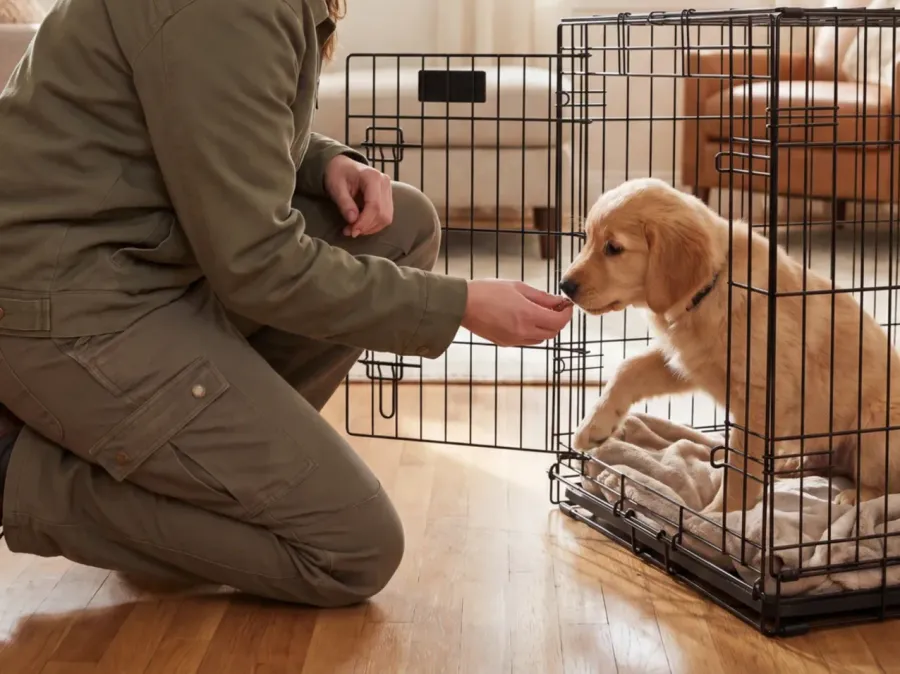
- Crate sizing and crate training integration (the crate is the single biggest tool)
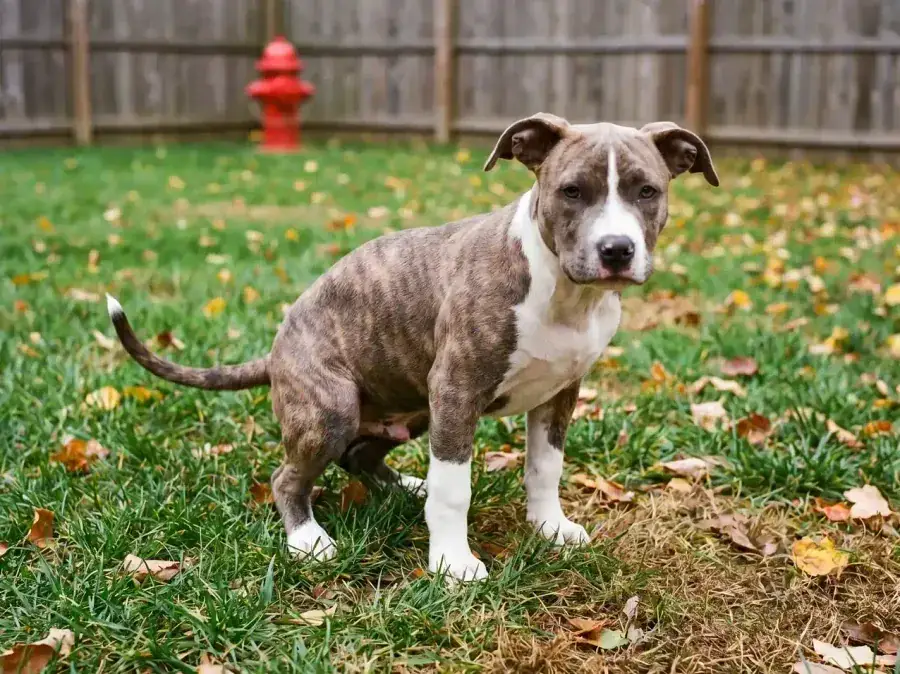
- Designated potty area in the yard (consistency speeds up the conditioning)
- Potty cue word ('go potty', 'do your business', your call)
- Supervised confinement protocols when you can't watch the puppy
- Accident management, what to do (and what NOT to do) when you find one
- Cleanup with enzyme cleaner so the puppy can't smell the spot
- Adult dog and rescue troubleshooting, regression, marking, anxiety-related accidents
Older Dogs and Rescues, Different Issues, Same Approach
Adult dogs who suddenly have accidents, rescues who weren't house trained as puppies, and dogs who pee inside when stressed all need the same structured approach as puppies, but we also have to rule out medical issues first. Bladder stones, urinary tract infections, diabetes, and cognitive decline in senior dogs can all show up as 'house training regression.' If your adult dog is suddenly having accidents, get a vet check first. If the vet clears them, we work the same systematic schedule and supervised-confinement plan that works for puppies, plus address any underlying anxiety triggers.
Service Area
Potty training is included in every puppy program and is available as a standalone in-home service across the Greater Houston area: Houston, Pearland, Alvin, Friendswood, Manvel, Rosharon, Lake Jackson, League City, Dickinson, Texas City, Webster, Pasadena, Galveston, Santa Fe, and the surrounding metro.
Programs at CJ's Dog Training
From puppy basics to advanced behavior modification, every program is built around your dog’s specific needs.
Houston-Metro Dog Training Built on Real Results
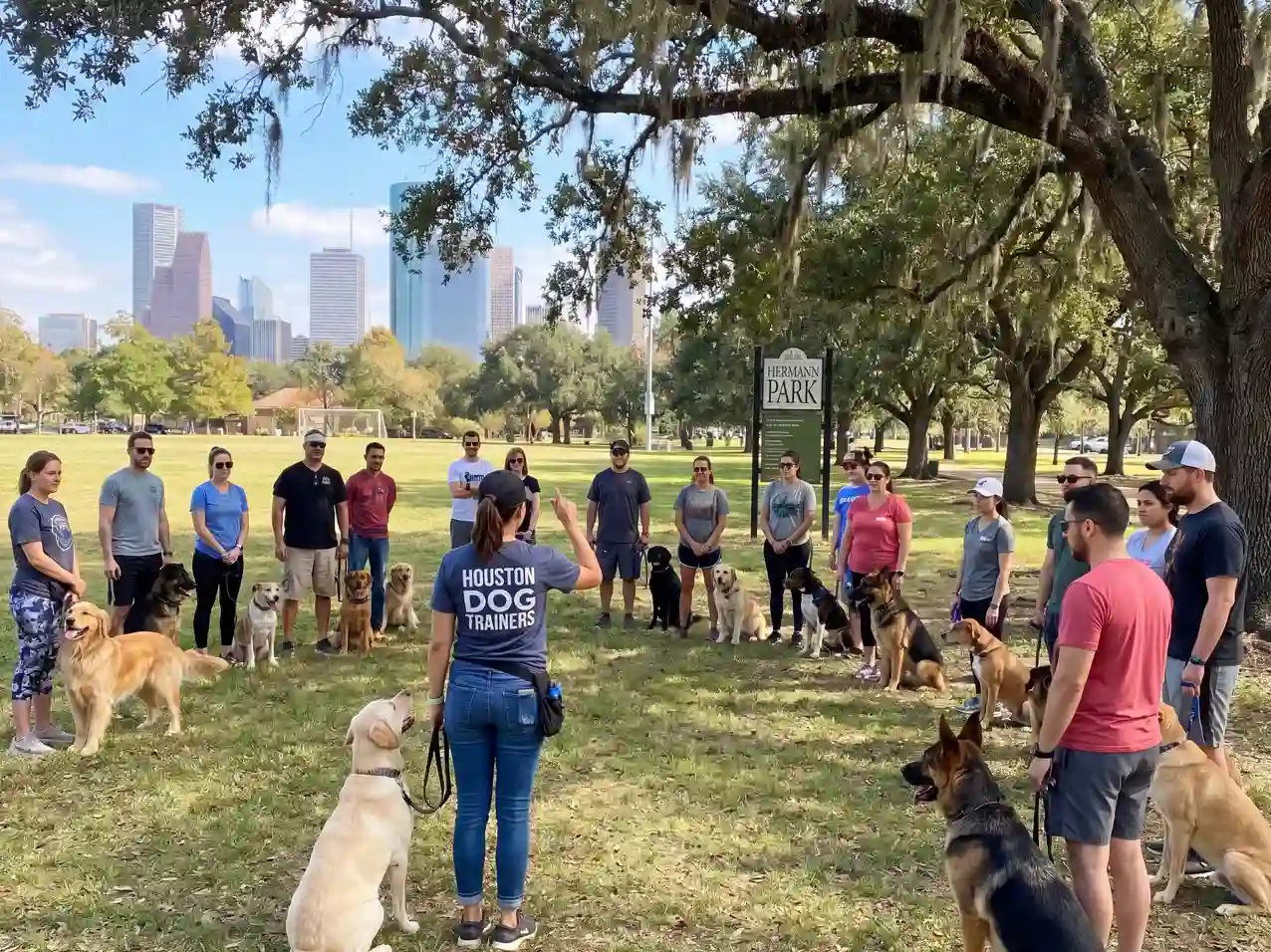
CJ's Dog Training is owned and operated by Charles Tramble from our base in Angleton, TX. We serve handlers across the greater Houston metro, from Pearland and Friendswood to Galveston and Sugar Land, with full-spectrum dog training and behavior modification.
Dog Training. Human Coach. Every program teaches the handler as carefully as it teaches the dog, because the dog goes home with you.
Why Houston-Area Owners Choose CJ's Dog Training
There are a lot of dog trainers in the greater Houston area. We're the one that handles the cases other trainers won't take, trains the handler as seriously as the dog, and stands behind the work with lifetime support. Here's what sets CJ's apart:
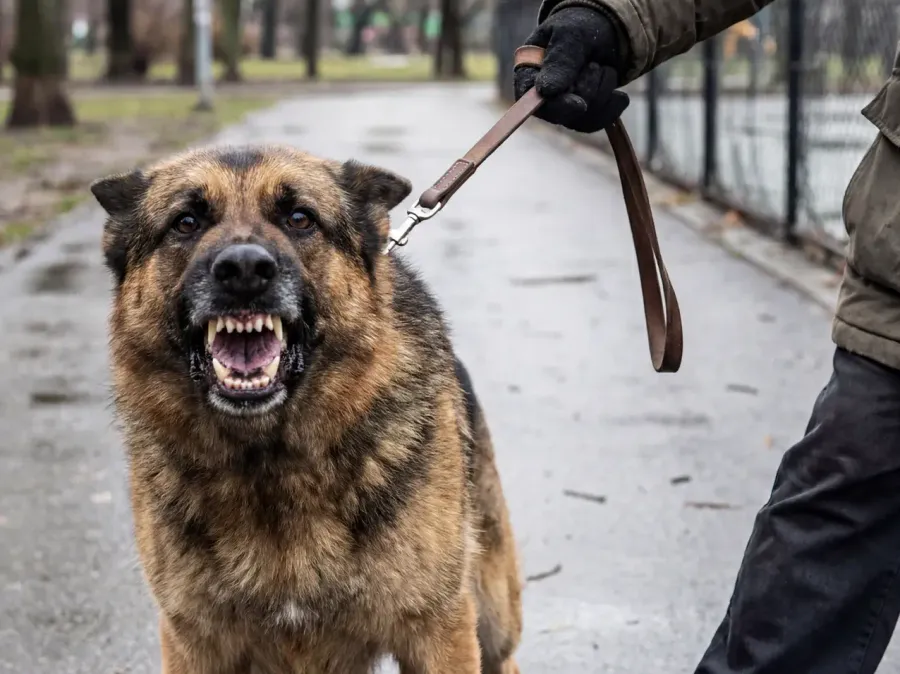
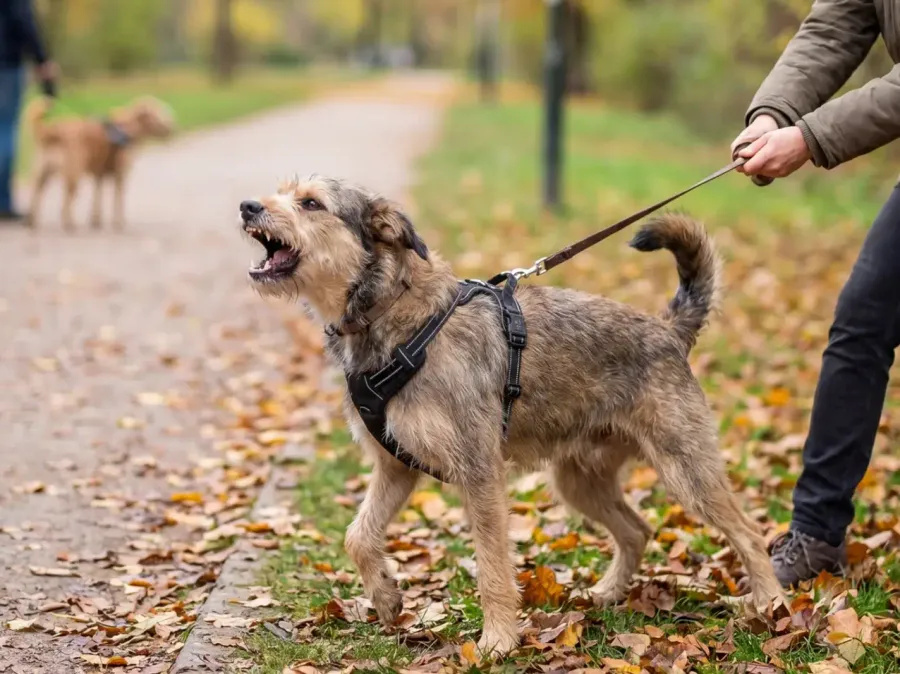
- Real behavior modification expertise, including aggression, reactivity, and severe anxiety cases
- Customized training plans built for your dog's specific behavior, breed, and household
- Local Houston-metro expertise across Brazoria and Galveston counties, we know the parks, the patios, the apartment complexes
- Balanced, science-informed methodology, no shock-collar shortcuts, no dominance theory
- Dog Training. Human Coach., every program coaches the household, because trained dogs need trained humans to stay trained
- Lifetime support included with every program
Frequently Asked Questions
How long does puppy potty training take?
With a consistent schedule and supervised confinement, most puppies show major improvement in 2 to 4 weeks. Reliable, no-supervision-needed potty training usually takes 4 to 6 months as the puppy's bladder physically matures. Older puppies and adult dogs often pick it up faster.
What's the right age to start potty training?
The day your puppy comes home, typically 8 weeks. Even at 8 weeks they can start learning the schedule and the potty cue. Their bladder won't be fully reliable for months, but the conditioning starts day one.
Do you train older dogs and rescues?
Yes, adult dogs and rescues can absolutely be potty trained. We start with a vet check to rule out medical causes, then run the same structured schedule and confinement plan. Rescues sometimes need extra time and patience around anxiety-driven accidents.
What if I work full time?
We build a realistic plan around your hours. That usually means a midday potty break (you, a neighbor, or a dog walker), an appropriately sized crate or exercise pen for confinement during work hours, and a strict schedule for mornings and evenings. Doable, just requires consistency.
Should I use pee pads or train outdoor only?
Depends on your living situation. Apartment dwellers without easy yard access often start with pads and transition outdoors as the puppy matures. Houses with yards should usually skip pads, they teach the puppy that elimination indoors is sometimes okay, which slows down the outdoor-only goal. We discuss your situation at the consultation.
Why does my puppy go inside right after coming back from outside?
Most common reasons: not enough time outside, distractions outside meant the puppy didn't actually fully empty, or the yard isn't yet a strong association for elimination. We troubleshoot these one at a time. Usually the fix is more time at the potty spot before coming inside.
Are punishment-based methods effective for accidents?
No, and they often make things worse. Rubbing a puppy's nose in an accident or scolding them after the fact teaches them to fear elimination in your presence, which leads to hiding to potty (in another room, behind the couch). We don't use punishment for accidents. Reward heavily outside, manage supervision better inside, and accidents fade.